

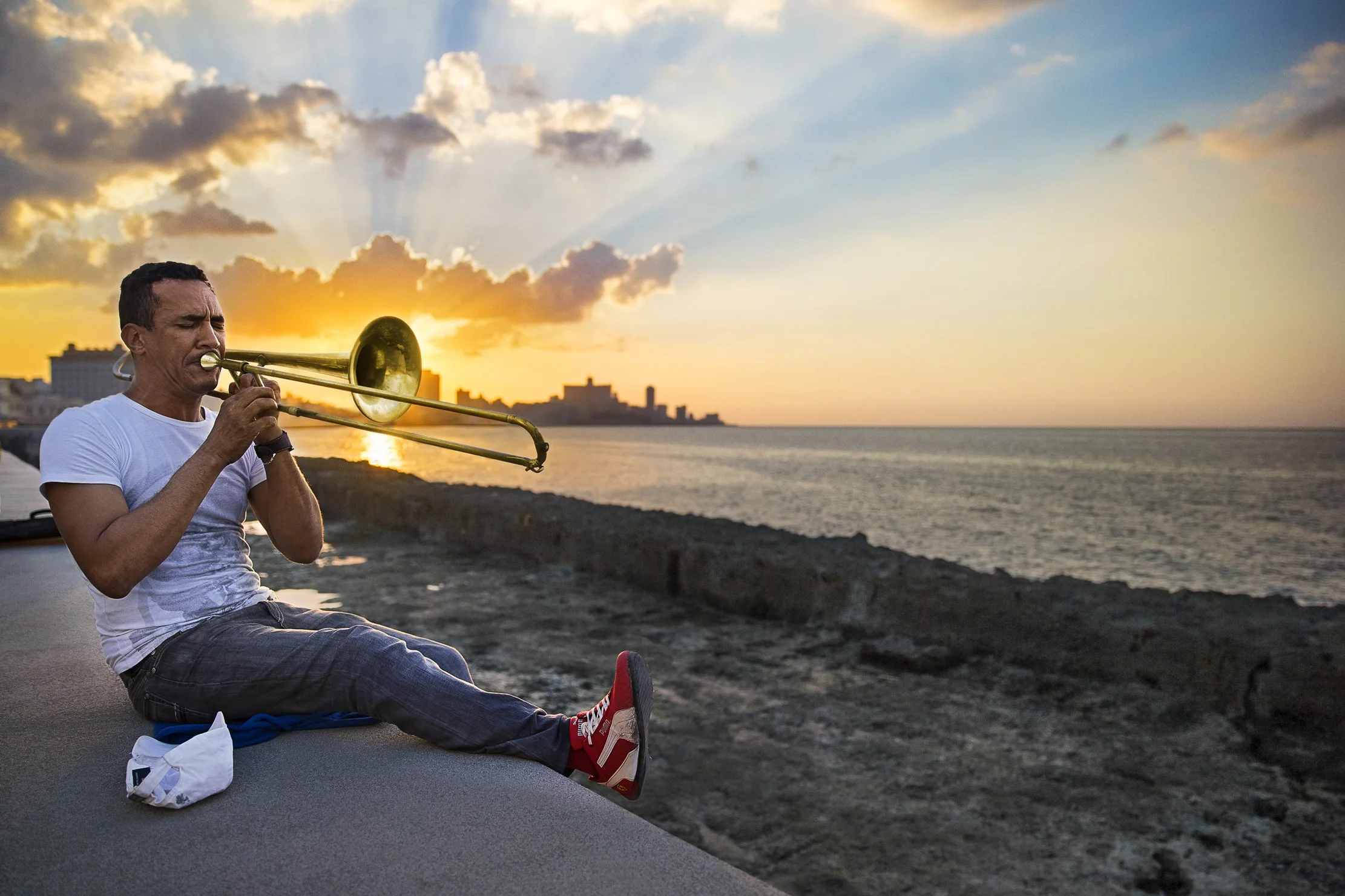
The Art of Travel Photography
a Masterclass with Lorne Resnick

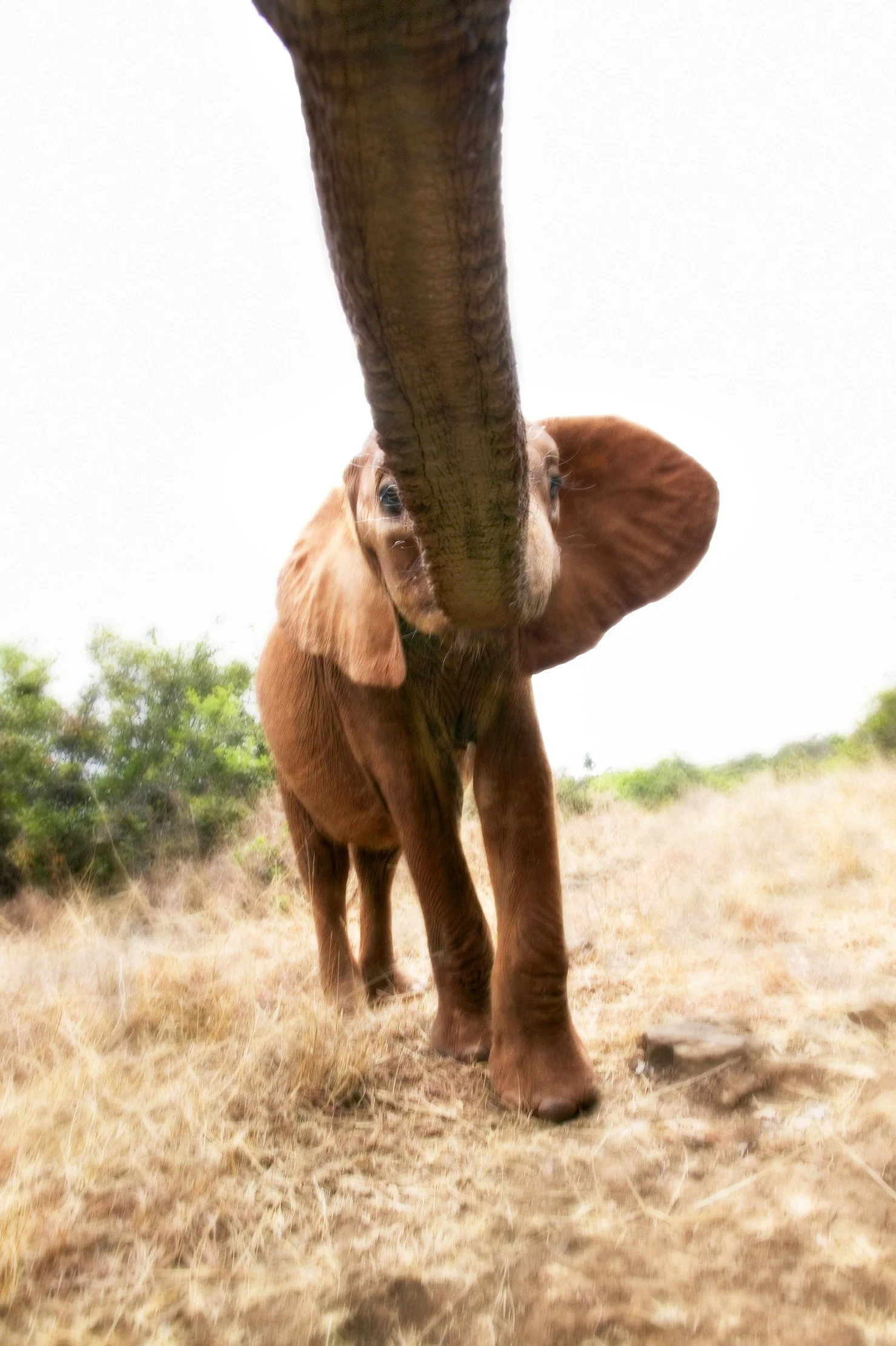
The key is how to make someone else who wasn’t standing next to you when you took that image of the elephant in the middle of the Serengeti, feel the same way about it that you do. You have your emotions already tied up in that image because you were there when you took it. You remember the long flight, the sound of the elephant's legs swishing through the grass, the heat of the African sun, the smells. How do you create an image so impactful that it communicates the emotion of how you felt when you shot it to someone who wasn't there?
When you have mastered the elements that go into creating emotion-driven images, traveling becomes a thrilling exploration of your own vision. This is the main focus of my workshops. Purposeful seeing. Purposeful vision. Creating images for the purpose of not showing someone what you saw, but rather generating an emotional response in them. A snapshot documents the information about a subject, but not the emotion. However, the purposeful use of various elements (frame, light, technique, moment, etc.) can transform that image into what a great photograph, in the end, should be: a communication of your personal vision that has the ability to impact someone emotionally. In effect, you are using your vision, technical knowledge and unique point of view to create an image that transcends the subject. An image that moves beyond just communicating to someone about another culture or place and resonates with them on an emotional level.
This is the thrust of the workshop. Learning how to shoot emotion, not information. Learning how to shoot with a lyrical eye instead of a literal one. Learning how to create these kinds of images consistently.
During the workshop a heavy emphasis is placed on creating images with "purpose." We will look at how you approach your image-making and what the basic elements of a successful image are. Portfolio reviews and learning how to critically analyze images are an indispensable part of this skill set. In the end, it's about finding your vision and voice.
Lorne will break down the concepts and techniques to create powerful and compelling travel images. Whether you enjoy shooting wildlife, landscapes, people or any other kind of travel images, Lorne will explain what goes into consistently making great images, including:
• Choosing the right cameras and lenses
• Understanding exposure and getting the most from your equipment
• Interacting with and photographing people
• Structuring trips to maximize photographic opportunities
• Recognizing and working a promising situation
• Editing and selecting your strongest images
• Processing your images and developing an efficient digital workflow
• Finding and shaping your personal artistic voice
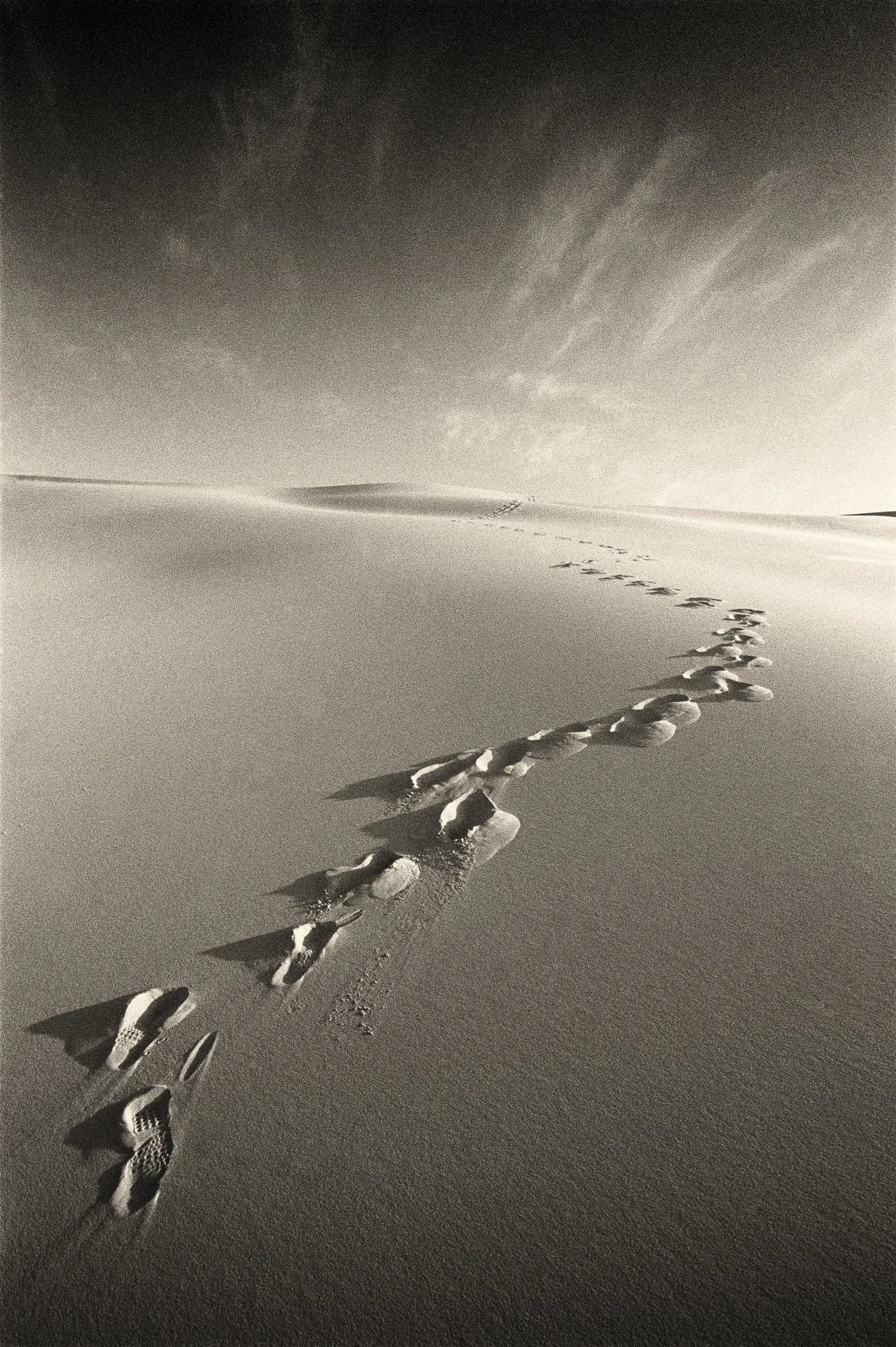
“If we can step back for one moment and put aside how much fun we all have taking pictures (and if you’re not having fun, you're doing something wrong) and ask – what is it we want to achieve with the images we have created?"
I feel the most memorable images, the images we go back to again and again, the images we hang on our walls, the images that resonate deeply within us, are the images that move us emotionally. They make an emotional impact on us. If coffee has been referred to as a caffeine delivery system, then the best photography should be looked at as an emotion delivery system.
I believe you can divide almost every image you see (especially travel images) into two categories. There are many ways of naming these two categories: Emotion vs Information, Lyrical vs Literal, Vision vs Record, Interpretation vs Documentation. It's the difference between “I was there and saw this” and “I was there and felt this.” It goes beyond capturing the essence of a subject - it's capturing your vision and feelings about that subject.
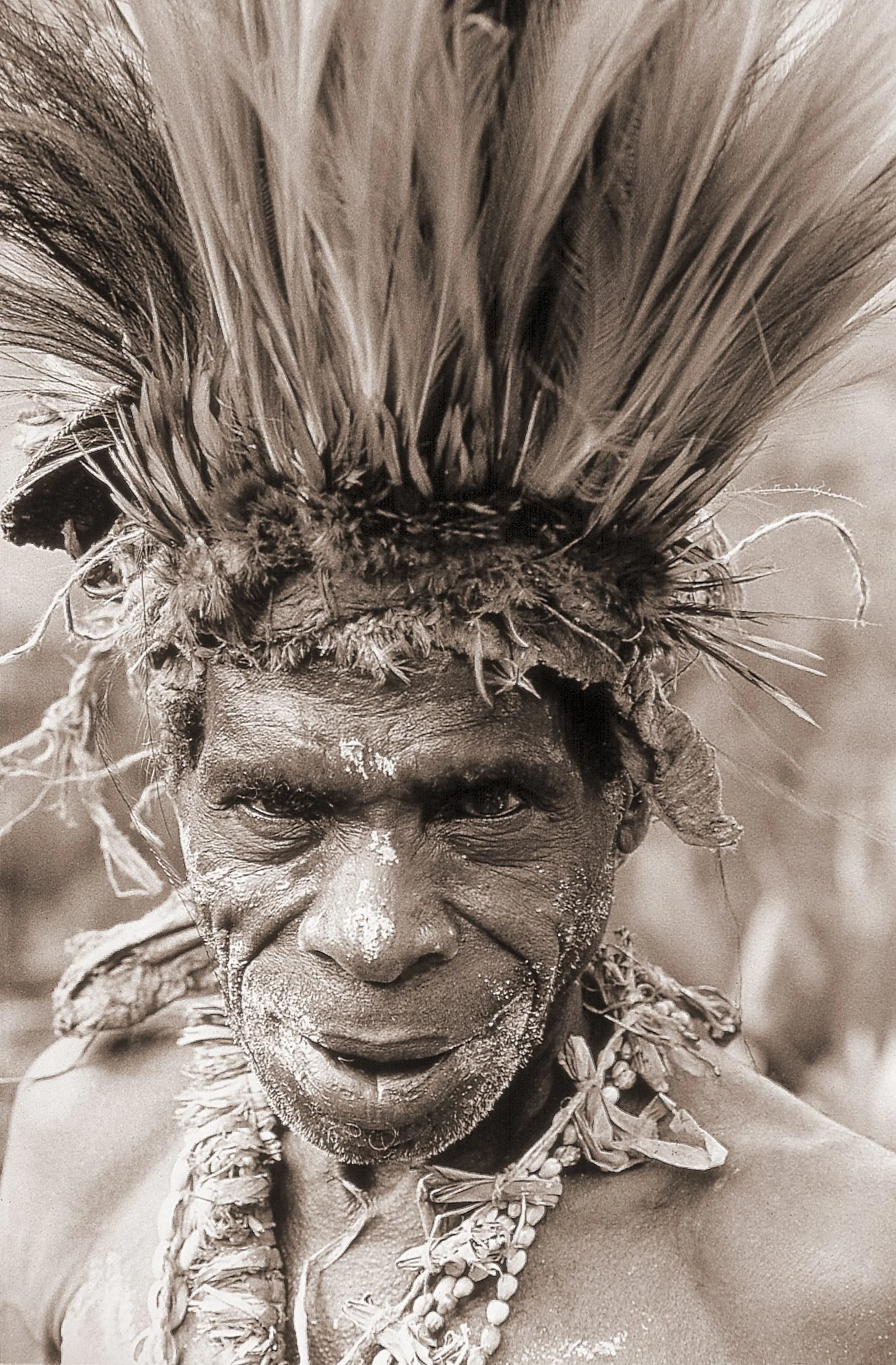
The day is divided into four parts:
1. The Art of Travel Photography
A roughly 90-minute visual presentation covering the core ideas behind the workshop, including shooting emotion rather than information, creativity, composition, technique, equipment, photographing people, developing a personal point of view, and creating original images in heavily photographed places.
2. Lightroom and Photoshop Workflow
A practical look at how Lorne imports, organizes, edits, selects, processes, and finishes his images using Lightroom and Photoshop. The goal is not to know everything Lightroom and Photoshop can do. Learn enough to get where you want with the image, then get back to photographing. The more time you spend mastering software, the less time you spend developing your eye and your personal vision, which matter far more.
3. Live Image Reviews
Lorne reviews each participant’s work one person at a time on the main screen so everyone can follow along. He will discuss image selection, composition, editing, processing, and what could make individual photographs stronger, including live Lightroom or Photoshop adjustments when useful.
4. Open Q&A
The final part of the day is an open Q&A. Nothing is off-limits. Ask the questions that came up during the day, the ones you arrived with, and the ones you have never had a chance to ask a working photographer before.
We’ll take a couple of short breaks during the day, along with a break for lunch.
Meet Your Instructor
///
Meet Your Instructor ///
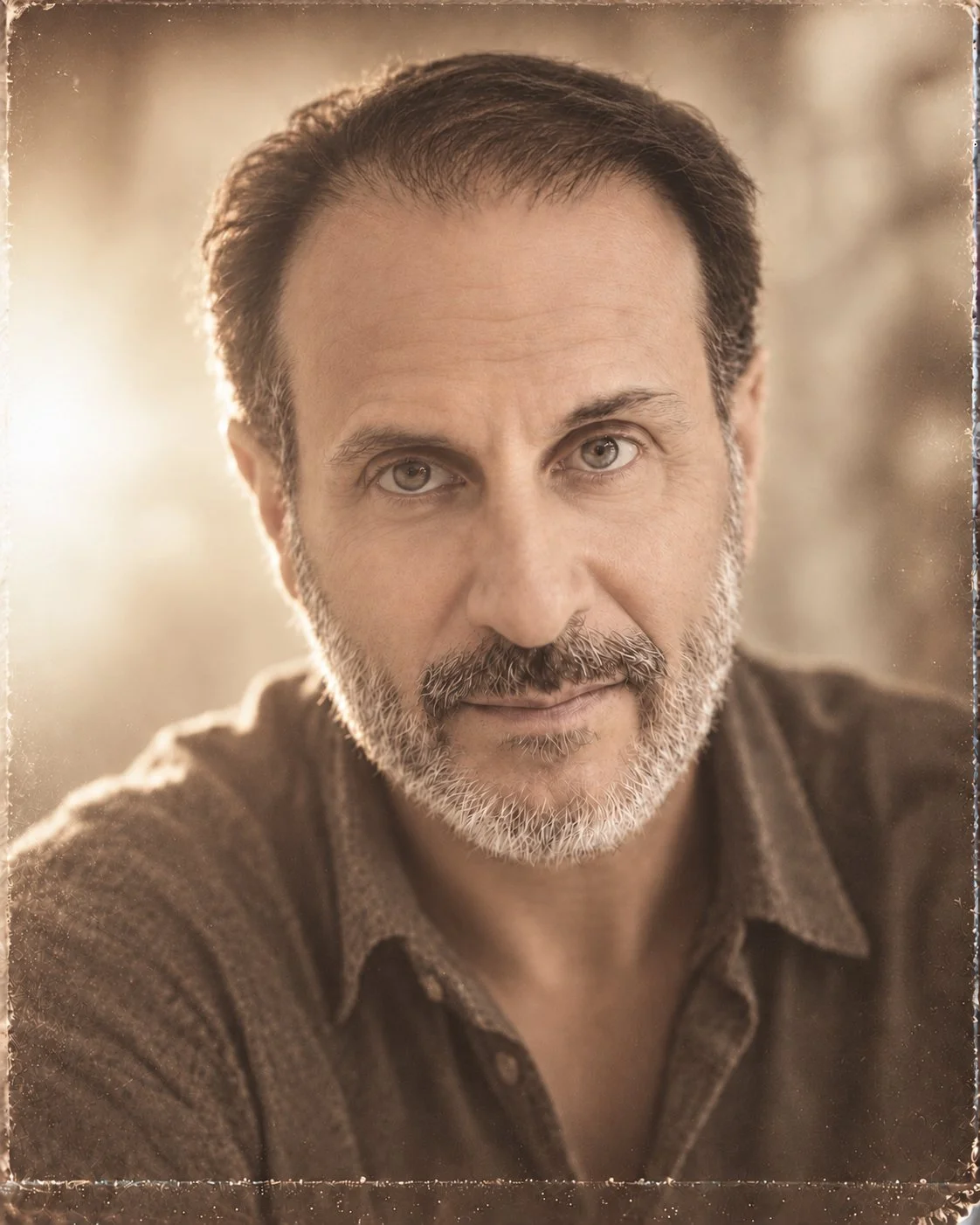
Lorne Resnick
Lorne Resnick’s career began in Toronto photographing the major rock acts passing through the city, work that eventually became his first book, Live in Concert: 10 Years of Rock and Roll. Soon afterward, concert halls gave way to travel. A year-long overland journey from Amsterdam to Cape Town began decades of photographic exploration through Papua New Guinea, Vietnam, Greenland, China, Europe, Cuba, and 22 African countries.
Cuba became the subject of a twenty-two-year obsession and two editions of his award-winning book Cuba, This Moment, Exactly So. The original edition featured 250 black-and-white and color photographs and was later followed by an expanded second edition containing 266 images. Both editions include a foreword by Pico Iyer and an introduction by art historian Gerry Badger. The original edition also includes writing by Brian Andreas and received multiple international awards. Resnick has also received the prestigious Travel Photographer of the Year award along with numerous commercial photography awards.
Now based in Atlanta, Resnick brings decades of experience photographing people, places, cultures, and fleeting moments to his travel photography workshops.
Location
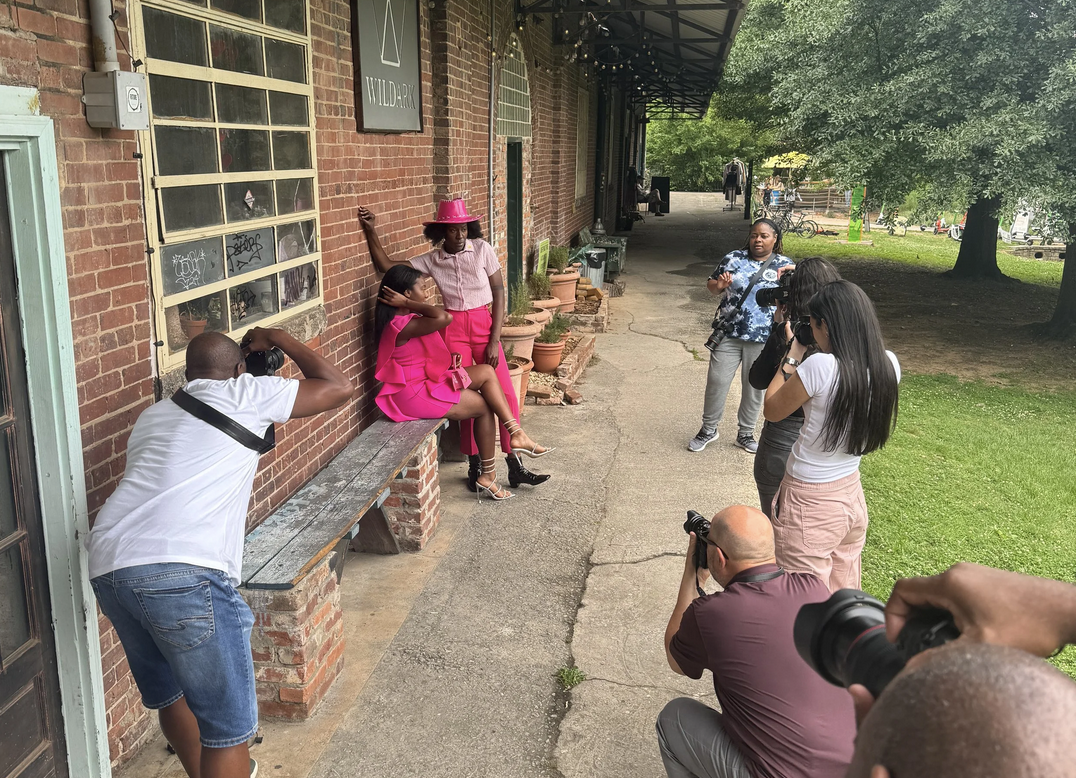
Old Fourth Ward
East Side Beltline near Krog St Market
Free, Dedicated Parking Lot
Frequently Asked Questions
-
A note pad and please bring 5 to 10 of your favorite photographs you have taken while traveling. Save them as JPEG files sized to a maximum of 2,200 pixels on the long side. Bring them on a USB thumb drive if you have one. If not, put the files in a clearly labeled folder with your name on your laptop, and we’ll transfer them in class.
-
Yes! For both locations!
Our Old Fourth Ward has a dedicated parking lot. We will send out a validation code just prior to the workshop start time.Our Sandy Springs location has a parking deck dedicated to Northside Tower.
-
We absolutely welcome note taking! But, we also send out a link to the slide deck presentation from every workshop, so you can focus on learning.
-
You can send us an email at staff@atlschoolofphoto.com or call or text us at 404-996-6978
-
The majority of our workshops are beginner friendly! However, if you want to be sure, email us at staff@atlschoolofphoto.com
Be sure to check out our Photo 1 class to learn more